
Unlocking Hidden Warehouse Potential: Why Mezzanine Floors Are Quietly Reshaping Industrial Real Estate
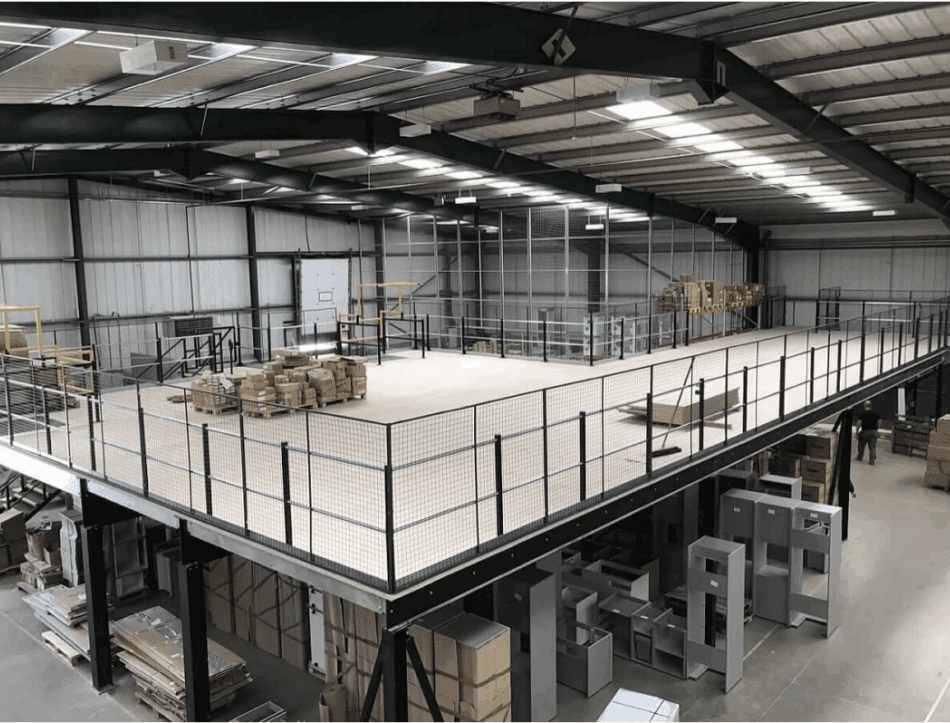
In the race to optimize logistics and warehouse performance, most of the attention goes to futuristic solutions like AI, automation, and robotics. But behind the high-tech headlines, a practical and often-overlooked upgrade is quietly delivering exceptional returns: warehouse mezzanine floors.
For stakeholders in commercial and industrial real estate, this vertical expansion solution offers a compelling mix of space efficiency, financial upside, and operational flexibility. And in today’s constrained market, that combination is more valuable than ever.
Rising Demand Meets Limited Space
The warehousing sector is under increasing strain. A boom in e-commerce, accelerated manufacturing cycles, and the shift toward nearshoring have all created intense demand for industrial space. At the same time, land near cities is scarce, vacancy rates remain low, and the cost of building new facilities continues to climb.
Enter the mezzanine: a semi-permanent intermediate floor installed within an existing structure. It leverages unused vertical space between the floor and ceiling, creating additional room for storage, office use, or production lines—without the need to relocate or expand outward.
This upward approach gives companies an edge in a highly competitive landscape, where every square foot can influence margins.
Financial Efficiency That Makes CFOs Take Notice
Installing a mezzanine is typically categorized as a capital expenditure, but one that pays dividends quickly. Compared to expanding square footage through new builds or leasing additional space, the cost savings are significant—often 40% to 60% less per square foot.
On top of that, mezzanine structures may qualify for accelerated depreciation depending on local tax laws, offering added financial incentives. The upfront investment can translate into long-term operational and tax efficiencies—particularly appealing in industries where cost control is paramount.
A Strategic Win for Property Investors
For industrial landlords, mezzanine systems represent a powerful value-add strategy. Retrofitting underutilized vertical space increases the functionality of a property, allowing owners to appeal to premium tenants looking for flexible, ready-made solutions—without incurring the costs of full-scale redevelopment.
Because mezzanine floors are modular and can often be relocated or reconfigured, they offer adaptability that traditional builds can’t match. If a tenant leaves or the property is sold, the structure can be reused, resold, or adapted to meet new demands.
For investors in industrial real estate—whether through REITs, private equity, or direct ownership—this kind of built-in scalability reduces risk, increases tenant retention, and enhances long-term return on investment.
Versatile Applications Across Industries
From retailers and logistics providers to advanced manufacturing and even data centers, mezzanine platforms are proving invaluable. In fulfillment centers, they add storage and staging areas. In manufacturing, they support workflows and machinery. In robotic and automated environments, mezzanines create elevated pathways or tiered storage zones that integrate seamlessly with next-gen logistics systems.
In essence, they are a structural solution to the digital transformation of supply chains—bridging traditional warehouse architecture with modern operational needs.
Supporting Sustainability Goals
Environmental, social, and governance (ESG) factors are top of mind for modern investors. Mezzanine installations align naturally with green goals: they reduce the need for new construction, lower material usage, and often use recycled steel. They also help repurpose brownfield sites, which aligns with urban planning trends focused on minimizing sprawl and maximizing reuse.
By extending the lifecycle and utility of existing buildings, mezzanine floors become a sustainable choice—both ecologically and economically.
Practical Considerations and Risks
As with any infrastructure upgrade, mezzanine flooring comes with technical and regulatory requirements. Local building codes, fire safety standards, and structural load assessments must be carefully followed.
Particularly in automated environments or heavy-load applications, understanding the engineering limits is crucial. Engaging experienced mezzanine design firms and ensuring all installations are properly certified can safeguard against liability and compliance issues.
A Hidden Catalyst for Industrial Growth
Although they may not command front-page attention, mezzanine floors are becoming a pivotal asset in warehouse optimization strategies. They help operators cut costs, avoid disruptive relocations, and scale within their existing footprint.
Meanwhile, property owners benefit from increased rental income, higher occupancy rates, and improved property valuations—all with a relatively low capital outlay.
The Bottom Line
As pressure on warehouse space continues to grow, especially in high-demand regions, the ability to “build up” rather than out offers a strategic advantage that few can afford to ignore.
For real estate professionals, logistics executives, and investors alike, the question is no longer if mezzanine floors are worth considering—it’s how soon they can be installed.
Mezzanine floors aren’t just metal platforms; they’re an overlooked driver of profitability, resilience, and flexibility in the future of industrial space.