
One red light, one big problem
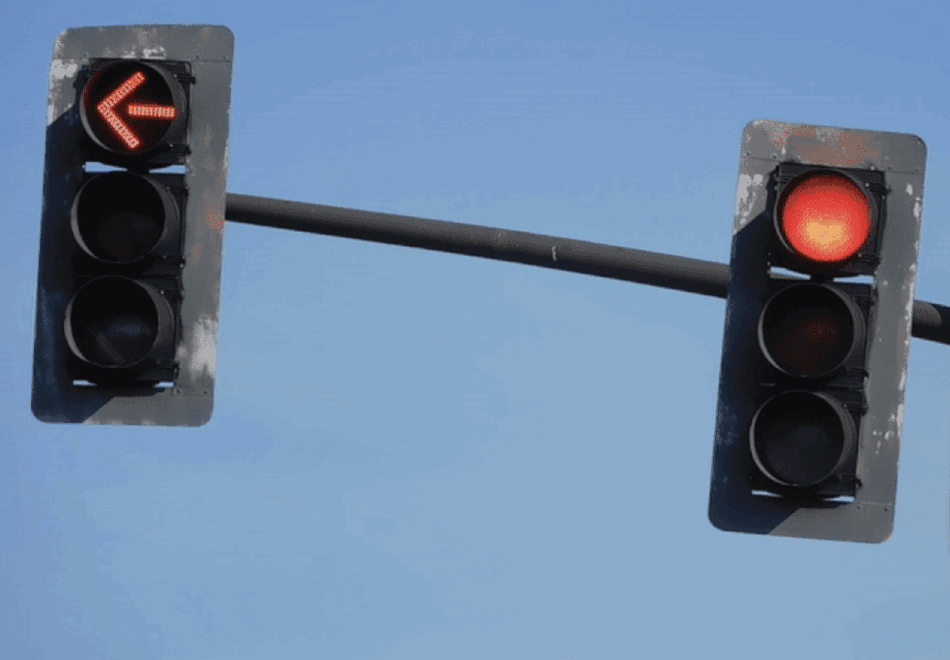
Most drivers have had a moment of hesitation approaching an intersection. The light changes, and there’s a split-second decision: stop or go? Sometimes the choice is clear; other times, it’s not. But in Ontario, making the wrong move at a red light can turn into something much more than a lapse in judgment. It can trigger legal implications, affect your driving privileges, and bring unforeseen challenges—especially if you’re unsure how to navigate the consequences.
Fighting a red light ticket: Legal defenses that work
Disputing a red light ticket is a path many choose—not out of defiance, but because circumstances matter. Every intersection, every signal, and every moment on the road comes with its own context.
A common defense arises when the traffic light itself was malfunctioning or confusing. If, for example, the signal changed abruptly, was obscured by weather or construction, or had overlapping signals visible to multiple lanes, a driver may have had a genuine reason to misinterpret it and fail to stop at red light.
Other scenarios may involve emergency situations or avoiding a more dangerous outcome. If stopping suddenly would have resulted in a rear-end collision, or if an emergency vehicle was present, the decision to proceed might have been safer than the alternative.
Drivers also have the right to request and review evidence. This includes photographs from red light cameras, officer notes, and any reports relevant to the incident. Inconsistencies in the record or missing procedural steps—such as improperly served notices—can be grounds for dismissal.
How a red light conviction affects your driving record and insurance
While some traffic incidents may feel like isolated events, they rarely stay that way. In Ontario, a red light conviction typically appears on your driving record. This record can be accessed by authorities and, in many cases, reviewed by your insurance provider.
For drivers, particularly those with clean histories, this can be the first blemish that shifts how they are evaluated. It might change the way future decisions are made—whether you’re applying for a new license class, renewing a policy, or even contesting future violations.
The more infractions that appear on a record, the more they may shape the narrative about your driving habits. It’s not about one ticket—it’s about the story that accumulates over time.
When a red light ticket leads to a court battle: What to expect
Choosing to challenge a red light ticket involves a specific legal process. After receiving the notice, you typically have a limited time to respond—either by paying it, requesting a meeting with a prosecutor, or demanding a trial.
Opting for a trial opens the door to defending yourself in front of a justice of the peace. You’ll have the opportunity to request disclosure of evidence, question witnesses (including any officers involved), and present your own materials in defense.
This setting can feel formal, but it’s accessible to individuals with or without legal representation. Those who feel confident and informed may choose to represent themselves, while others may prefer to seek advice or assistance from professionals who specialize in traffic law.
Red light violations vs. other traffic offenses: Key differences
Not all driving offenses are created equal. Some are administrative in nature—such as failing to update vehicle registration. Others are more serious, involving dangerous behavior.
Red light violations fall somewhere in the middle. They’re more than a paperwork mistake, but less severe than reckless driving or aggressive speeding. Still, they carry real consequences and are treated seriously by the courts.
What makes red light infractions unique is that they often involve a judgment call—did the driver have time to stop, or did the signal change unexpectedly? That grey area can lead to disputes, which is why so many choose to contest the charge rather than accept it outright.
Special cases: Commercial drivers, new drivers, and out-of-province licenses
Drivers aren’t all held to the same expectations. A commercial truck driver will face different scrutiny than someone with a basic G license. The same goes for those just starting their driving career or visitors from outside Ontario.
For commercial drivers, any mark on a driving record can be more than personal—it might impact employment or licensing.
Preventing red light tickets: Legal tips for safe driving in Ontario
Avoiding red light violations isn’t just about being careful—it’s about being informed. Ontario’s roads include complex intersections, unique signal patterns, and sometimes confusing signage.
Understanding how advanced green signals work, knowing when right turns on red are permitted, and being aware of how yellow lights operate in practice are all essential.
Drivers should also stay alert for obscured or malfunctioning signals. If a light is damaged, blocked, or behaving unpredictably, it’s within your rights to report it to municipal authorities. Taking that step helps make roads safer for everyone.
A red light violation may feel like a fleeting mistake, but in Ontario, its implications can stretch far beyond the intersection. From legal procedures to driving records and insurance considerations, even a single moment can lead to a web of consequences. The key is staying informed, proactive, and mindful—because one red light can indeed become one big problem.