
Local Moving: How to Complete a Relocation in a Few Trips Without Losing Time
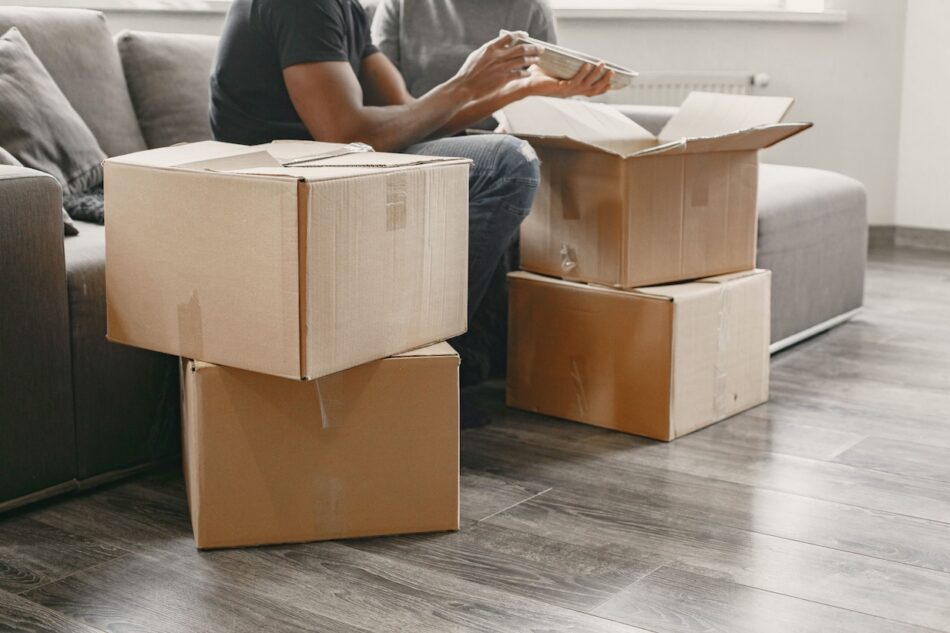
Relocating within the same city or region may seem simple compared to long distance transportation, yet it often turns into a surprisingly demanding process. The challenge becomes even more noticeable when the goal is to complete the entire move in just a few trips. Many homeowners underestimate how quickly vehicles fill up, how long loading takes, and how easily time is lost when items are not organized efficiently. Understanding how to plan a compact and streamlined local move helps reduce stress, avoid unnecessary delays, and use available resources wisely.
Understanding the Nature of a Local Move
A local move differs from a long distance relocation in several important ways. It typically involves shorter travel times, more flexibility in scheduling, and the opportunity to return for additional trips if needed. However, completing the process in only a few well organized rounds remains essential for anyone who wishes to minimize disruption and protect personal time. Each trip adds loading and unloading tasks, increases fatigue, and extends the duration of the entire relocation.
For this reason, the first step in preparing for a time efficient local move is understanding the volume of belongings, the available transportation options, and the layout of both the current and future living spaces. Careful planning helps determine how to group items for transport, which possessions require priority, and how to prevent clutter from slowing down the process.
Assessing Your Inventory Before Packing
Before anything is loaded into a vehicle, it is crucial to create a clear overview of all possessions that will be transported. Inventory assessment helps identify oversized furniture, delicate items, personal essentials, and objects that should be packed together for easier unloading. This stage also allows movers to eliminate unnecessary belongings that only take up space without providing any value. Donation, recycling, or temporary storage can significantly reduce the number of items that must be transported immediately.
Many people find it helpful to break their belongings into categories such as daily essentials, bulky items, fragile pieces, seasonal items, and miscellaneous objects. This approach creates clarity and gives you the foundation needed for a simplified packing strategy. During this stage some residents decide to consult local moving companies near me https://got2move.com/local/ for guidance regarding space optimization and vehicle selection. Access to expert insights can prevent common mistakes, such as overloading smaller vehicles or underestimating the space required for large furniture.
Strategic Packing Methods for Fewer Trips
Once the inventory is clear, the next step is packing items according to strategic goals. The focus should be on reducing volume, protecting fragile possessions, and grouping items in a way that simplifies rapid loading.
A well organized packing process allows you to stack boxes efficiently and avoid wasted space inside each vehicle. Using uniform box sizes, removing air pockets with soft textiles, and disassembling furniture all contribute to a more efficient loading structure. Strategic packing also makes it easier to identify the items that must be transported first, which is particularly useful for local moves with limited time.
Key Packing Principles
- Use sturdy boxes with secure closures to create stable stacking surfaces.
- Fill each container fully to prevent shifting during transport.
- Wrap fragile objects with soft materials and store them in boxes clearly marked for careful handling.
- Keep daily essentials in a separate container that can be accessed quickly.
- Allocate specific boxes to each room to streamline unloading.
Simple but effective measures like these significantly reduce wasted time both during loading and upon arrival at your new home.
Balancing the Load Across Available Vehicles
Balancing weight and volume between vehicles is one of the most important aspects of completing a move in only a few trips. Without a balanced approach one vehicle becomes overloaded while others remain partially empty, which leads to wasted time and potential safety risks. Overloaded vehicles are harder to maneuver, require longer loading times, and may even pose hazards on the road.
For local moves, where several cars or vans are usually involved, it helps to assign each vehicle a primary role. A spacious van might transport the heaviest furniture, while a smaller car handles fragile items and essentials. This type of distribution prevents bottlenecks during loading and minimizes the risk of placing too many items in the wrong vehicle.
A Suggested Approach for Vehicle Distribution
- Identify the largest items such as couches, wardrobes, bed frames, and appliances. Assign them to the vehicle with the most cargo space.
- Pack medium sized boxes around large items, placing heavier containers at the bottom.
- Reserve another vehicle for delicate or sensitive belongings, minimizing movement and exposure to temperature changes.
- Fill remaining gaps with light objects such as pillows, blankets, and soft bags to prevent movement.
- Keep one vehicle for personal essentials that may be needed immediately upon arrival.
This structured approach ensures that all items are transported efficiently while avoiding unnecessary extra trips.
Scheduling and Timing for a Streamlined Move
One of the most overlooked aspects of relocating is timing. Many people begin loading items without a clear schedule, and as a result the process becomes slower and more challenging. Establishing a timeline helps maintain momentum and ensures that every person involved knows their responsibilities. It prevents the confusion that often delays moves, especially when multiple people assist with packing or transporting belongings.
Start by determining the earliest possible arrival time at your new home. From there, work backward to plan loading, preparation, vehicle positioning, and breaks. With an organized schedule you reduce downtime and finish more quickly.
During the planning stage some residents explore the services offered by Marin County movers near mehttps://got2move.com/local/san-francisco-bay-area/marin-county/ to support time sensitive tasks. Their knowledge about efficient loading patterns and route planning can make a significant difference in completing a move with minimal trips.
Creating an Efficient Loading Path
A well planned loading path speeds up the process and eliminates unnecessary steps. Ideally, boxes should be staged near the exit of your home, grouped by category or destination room. Furniture pieces should be disassembled and positioned near the entrance to reduce carrying distance. An uncluttered path minimizes the risk of accidents and allows for faster and more controlled lifting.
Staging zones inside the home help distribute responsibilities among helpers. Some can focus on packing or preparing items while others work exclusively on transporting boxes to the staging area. Once the path between the staging zone and the vehicle is clear the actual loading becomes faster and more efficient.
Ensuring Safety During Intensive Loading
Maintaining safety is essential when completing a move in just a few rounds. Heavy lifting, tight spaces, narrow staircases, and repeated trips to vehicles increase the risk of mishaps. It is important to use proper lifting techniques, take short breaks to avoid fatigue, and communicate clearly with everyone involved in the move.
Protective gloves, stable footwear, and clear communication reduce the likelihood of dropped items or injuries. Using dollies or hand trucks also helps minimize physical strain and increases loading speed. By keeping safety in focus movers maintain steady progress without unnecessary interruptions caused by accidents or disorganization.
Combining Resources for Maximum Efficiency
Many local moves become smoother when people combine personal cars with rented vehicles or professional assistance. Mixing compact cars, vans, and small trucks expands the total carrying capacity and allows each type of vehicle to fulfill a specific role. When resources are combined effectively the entire move becomes faster and more predictable.
Advantages of Mixing Resources
- Greater flexibility when loading items of various sizes.
- Efficient use of cargo space without overcrowding any single vehicle.
- Reduced number of trips due to increased total capacity.
- Ability to assign different types of items to specific vehicles.
- More control over the sequence of unloading at the new location.
This approach works particularly well for households with many belongings or for moves that must be completed within a limited timeframe.