
Efficient Maintenance of Commercial Coffee Roasters for Consistent Roasting Quality
In the coffee business, commercial coffee roasters play a key role, determining the flavor and aroma of the finished product. To ensure trouble-free operation, regular maintenance is essential. On the roaster coffee website, you can find reliable models adapted for professional use. Proper maintenance not only extends the machine’s lifespan but also minimizes the risk of breakdowns, ensuring consistent production. In this article, we’ll discuss how to properly care for your roaster to ensure years of service.
Maintaining a coffee roaster begins with understanding its design and operating principles. These machines typically consist of a roasting drum, heating system, fans, and control panels. Regular maintenance helps prevent the buildup of coffee oils, dust, and bean residue, which can affect the coffee’s flavor. Experts recommend starting with daily inspections to identify minor problems early. This will help avoid costly repairs and downtime.
Cleaning Cycles and Their Role in Equipment Maintenance
Cleaning your coffee roaster is a fundamental aspect of maintenance that directly impacts the quality of your roast. Cleaning cycles are divided into daily, weekly, and monthly, depending on the intensity of use. Daily cleaning focuses on removing visible debris, such as chaff and bean residue, to prevent burning in future batches. Soft brushes and vacuum cleaners are suitable for this purpose, as they won’t damage the drum surface.
Regular cleaning not only preserves the flavor of your coffee but also extends the life of your heating elements, reducing energy consumption by 15-20%.
Weekly cycles include a more thorough cleaning: disassembling the fans and cleaning the air ducts of accumulated dust. It’s important to use specialized cleaning products that don’t contain harsh chemicals to prevent corrosion. For example, after a week of intensive roasting, it’s recommended to rinse the drum with warm water and a neutral detergent designed for food equipment. This approach helps maintain hygiene and prevents mold growth. Monthly cleaning requires stopping the machine for a full inspection. This includes checking the bearings, lubricating the moving parts, and cleaning the temperature sensors. If the roaster is used for high volumes, as in commercial cafes, this cycle may be performed more frequently – every two weeks. It’s important to document each step to track changes and plan preventative maintenance.
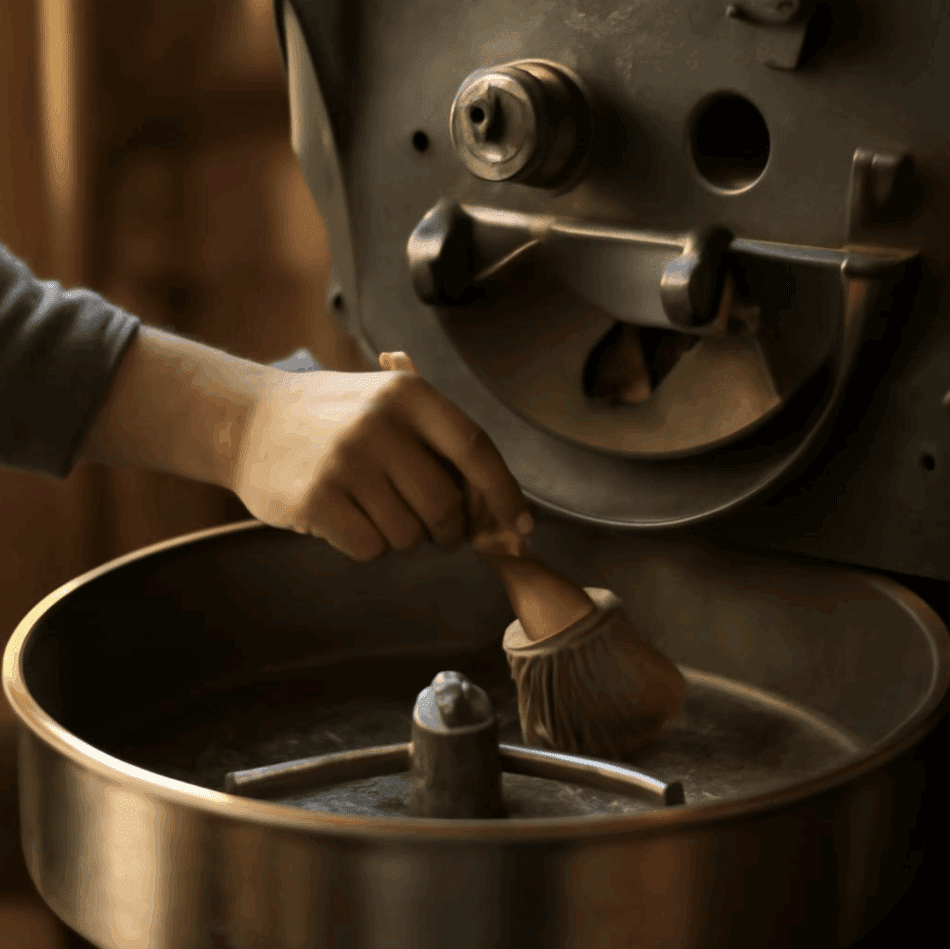
Illustration of the steps for cleaning a coffee roaster’s drum to maintain hygiene. Implementing cleaning cycles requires discipline, but the payoff is significant. According to industry research, proper cleaning reduces the risk of product contamination by 30%, which is critical for businesses focused on premium coffee. Furthermore, clean equipment operates more efficiently, distributing heat evenly and minimizing waste.
- Daily: Remove any remaining beans and chaff from the drum.
- Weekly: Clean the fans and external surfaces.
- Monthly: Completely disassemble and lubricate the mechanisms.
When choosing cleaning products, consider the material of your roaster. Alkaline solutions are suitable for stainless steel, while milder solutions are suitable for cast iron. Always follow the manufacturer’s instructions to avoid voiding the warranty.
Cleaning is an investment in quality that pays off in customer loyalty to your coffee.
Consumables for Effective Roaster Maintenance
In addition to cleaning cycles, selecting the right consumables is an essential part of maintenance. These elements ensure a safe and hygienic process, minimizing wear and tear on the equipment. Key consumables include air filters, lubricating oils, cleaning agents, and protective gloves. Proper selection helps avoid unplanned downtime and preserves the taste of coffee without foreign impurities. Ventilation system filters are a key consumable, especially in intensive roasting environments. They capture smoke and particles, preventing clogging of the air ducts. It is recommended to change them every 100-200 hours of operation, depending on production volume. Commercial models should be equipped with filters that effectively remove fine dust and oils, reducing the risk of fire. When choosing filters, ensure compatibility with your machine to ensure a tight seal.
High-quality consumables not only extend the life of your roaster but also contribute to eco-friendliness by reducing harmful emissions.
Lubricants are essential for moving parts such as bearings and gears. Use food-grade silicone or graphite-based lubricants that do not react with coffee and are resistant to high temperatures up to 250°C. Regular lubrication reduces friction, preventing overheating and noise. For drum roasters, a grease-based lubricant applied every 50 roasting cycles is suitable. Avoid multi-purpose oils, as they can attract dust and accelerate wear. Cleaning agents are divided into dry and liquid. Dry abrasives, such as special baking soda powder, are ideal for removing carbon deposits without water. Liquid enzyme-based solutions gently dissolve oils without damaging the metal. On average, one cleaning cycle requires 200-500 ml of product, making them cost-effective for small businesses. Check certifications to confirm food safety.

A range of consumables: filters, lubricants, and cleaning products for daily maintenance. Protective accessories such as gloves and masks are also considered consumables. They protect staff from burns and smoke inhalation. Choose heat-resistant Kevlar gloves for working with a hot drum. A small cafe can use up to 50 pairs per year, highlighting the need for planning your purchases. Store consumables in a dry place to prevent spoilage and maintain their effectiveness.
- Evaluate production volume to calculate replacement frequency.
- Check compatibility with your roaster model.
- Favor certified hygiene products.
- Keep track of expenses to optimize your budget.
Integrating consumables into your maintenance routine allows you to automate the process. For example, set calendar reminders for filter replacements, saving time and resources. This ensures your equipment remains in perfect condition and your roasting results are predictable.
Checklists for Systematic Roaster Monitoring
To ensure consistent maintenance, use checklists—simple yet powerful task tracking tools. They help assign responsibility across your team and record completion. A standard checklist begins with a visual inspection: checking for cracks, leaks, and unusual odors. This is a basic step performed before each start. A daily checklist focuses on operational readiness. Include testing of temperature and pressure sensors, cleaning of external surfaces, and timer calibration. This approach identifies minor issues, such as loose bolts, before they lead to breakdowns. For ease of reference, print the checklist in a table format with a checkmark or date next to each item.
Checklists transform chaotic maintenance into an organized process, increasing efficiency by 25%, according to operator feedback.
The weekly option expands the list: inspecting electrical connections, checking gearbox oil levels, and testing the cooling system. It’s important to note any deviations, such as increased noise, and plan for adjustments. For large-scale production, add items for calibrating grain scales to ensure batch accuracy.
| Period | Check Points | Responsible | Notes |
| Daily | Visually inspect drum; clean any residue | Operator | Record start-up temperature |
| Weekly | Check filters; lubricate bearings | Technician | Measure vibration |
| Monthly | Full inspection of heaters; Safety test | Manager | Call service if necessary |
The monthly checklist covers in-depth analysis: disassembly for corrosion inspection, thermocouple calibration, and energy consumption audit. Use digital mobile apps to scan QR codes and update status in real time. This is especially useful for coffee shop chains where multiple roasters require synchronized monitoring. Checklist development is tailored to the specifics of your business. For beginners, start with a basic template, gradually adding details based on experience. Regular use reduces errors and increases staff confidence in operating equipment. A completed checklist with marks for daily and weekly monitoring. Implementing such tools does not require significant investment but significantly improves overall productivity. Operators note that clear instructions minimize stress and speed up the training of new employees.
Safety Precautions for Working with Commercial Roasters
Safety is a top priority when operating coffee roasters, where high temperatures and mechanical parts create potential hazards. Operators must be trained in the basics to prevent burns, cuts, and fires. Regular training and protective barriers around the machine reduce the likelihood of incidents by 40%, according to industry associations. Start by installing automatic overheating shut-off sensors that immediately interrupt the cycle. The primary hazards are radiant heat and steam. Use heat-resistant glass screens to observe the process without direct contact. Personnel must wear fire-resistant clothing and shoes with metal inserts. Before starting, check the integrity of the drum insulation to prevent gas leaks in gas models. For electric roasters, test the grounding to prevent electric shock.
Safety is not an option, but a necessity that protects not only equipment but also the health of the team.
Fire safety requires special attention: install fire extinguishers within a 2-meter radius of the roaster and conduct monthly evacuation drills. Automatic sprinkler systems are integrated into the ceiling above the production area, activating at temperatures above 70°C. For smoke removal, connect the exhaust hood to an external duct, minimizing the accumulation of flammable particles. Regularly clean the collectors of soot to prevent spontaneous combustion.
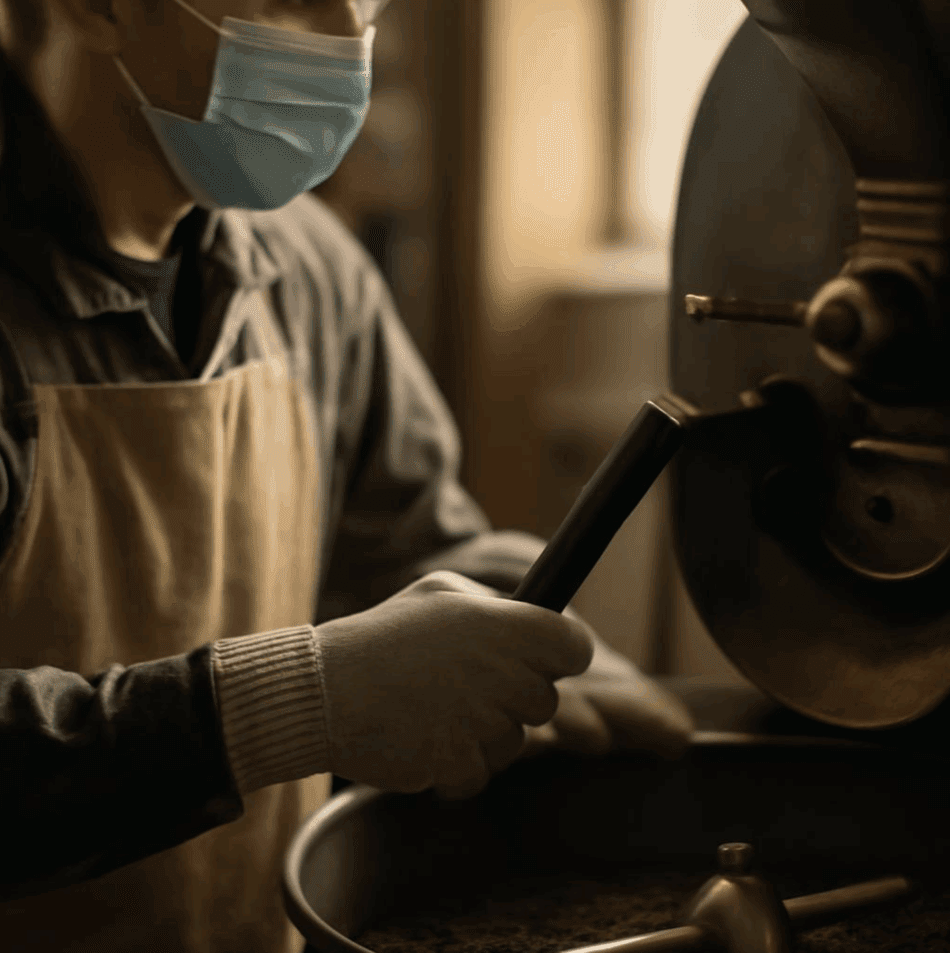
An operator in protective gear inspects the equipment, taking safety precautions into account. Ergonomics also play a role: adjust the height of the bean loading platform to avoid back injuries. Implement protocols for working in pairs during heavy batches, distributing the load. Create access zones for children and bystanders, locking doors during roasting. Sensor-based room monitoring prevents poisoning in confined spaces.
- Staff training: annual first aid and operation courses.
- Technical equipment: emergency stop buttons in accessible locations.
- Documentation: incident log for analysis and improvement.
- Audit: external inspection by specialists quarterly.
Integrating safety into daily routines through checklists strengthens control. For example, record the status of emergency systems before each shift. Such measures not only comply with regulations but also increase customer confidence in your production, emphasizing your professionalism.
Common Roaster Maintenance Issues and How to Fix Them
Despite careful maintenance, coffee roasters can experience common problems, such as uneven heating or oil leaks. Uneven heating is often caused by soot clogging the thermocouples, which leads to inaccurate readings. To fix this, clean the thermocouples with a soft brush and check the calibration with a reference thermometer. This will restore accuracy to 1°C, ensuring a consistent roast profile. Oil leaks in the gearbox indicate worn seals. Stop the machine immediately, replace the seals, and top up with the recommended oil. Ignoring this problem accelerates corrosion, reducing service life by 30%. Another common malfunction is vibration from unbalanced drum blades. Have the machine balanced at a service center using dynamic testers to minimize noise and stress on the bearings.
Proactively identifying problems through regular inspections prevents costly repairs and…
Electrical faults, such as blown fuses, are usually caused by power surges. Install a stabilizer to protect the circuits. If the motor overheats, check the ventilation and clean the radiators.
How often should I deep clean my roaster?
Deep cleaning is recommended every 50-100 roasts, depending on the bean volume and coffee type. The interval can be extended for low-oil Arabica coffees, and shortened for Robusta coffees. The process involves disassembling the drum and steam rinsing, which takes 4-6 hours. Regular cleaning prevents resin buildup, preserving the aromatic qualities of the roast.
What are the signs that the filters need replacing?
Signs include reduced hood draft, smoke in the room, and a 10-15% increase in energy consumption. Filters will visibly darken from soot. Replacing them every 150 hours of operation improves ventilation and reduces the risk of overheating. Use color-coded indicator filters for easy inspection. Inspect for cracks. Check the system pressure. Record the replacement date in the log.
Can I repair electrical components myself?
Do-it-yourself repairs are possible for simple tasks, such as replacing fuses, but complex work, including soldering circuit boards, is best left to certified technicians. This minimizes the risk of short circuits and maintains the warranty. Before repairing, disconnect the power and use a multimeter for diagnostics. Online training improves competence, but professional service is recommended annually.
How to optimize maintenance costs?
Optimization is achieved through planning the purchase of consumables in bulk and implementing predictive monitoring with sensors. This reduces downtime by 20% and costs by 15%. Manage your budget, including equipment depreciation, and choose durable parts. For small businesses, contracting with local service providers saves on on-site visits. Analyze usage logs. Train your staff for in-house repairs. Invest in preventative maintenance rather than reactive measures.
Does maintenance affect the taste of coffee?
Yes, proper maintenance directly impacts the taste by preventing impurities from carbon deposits or oxidation. Clean heaters ensure even heating, highlighting fruit or chocolate notes. Failure to do so can result in bitterness or a flat profile. Regular maintenance stabilizes parameters, allowing you to experiment with roasting for unique blends.
In this article, we’ve covered in detail the key aspects of working with commercial coffee roasters: from equipment selection and daily care to safety precautions and troubleshooting common problems. Proper maintenance not only extends the life of your machine but also ensures consistent roast quality, boosting the competitiveness of your business. We’ve emphasized the importance of regular inspections, staff training, and preventative measures to minimize risks and optimize costs.
Finally, implement daily inspection checklists, invest in professional training, and never ignore equipment warning signs. These steps will help avoid downtime and preserve the purity of your coffee’s flavor. Get started today: analyze your roaster and create a maintenance plan—it’s an investment in the success of your coffee business that will yield tangible results in the coming months.