
Smart Home Security Essentials Every Homeowner Should Understand
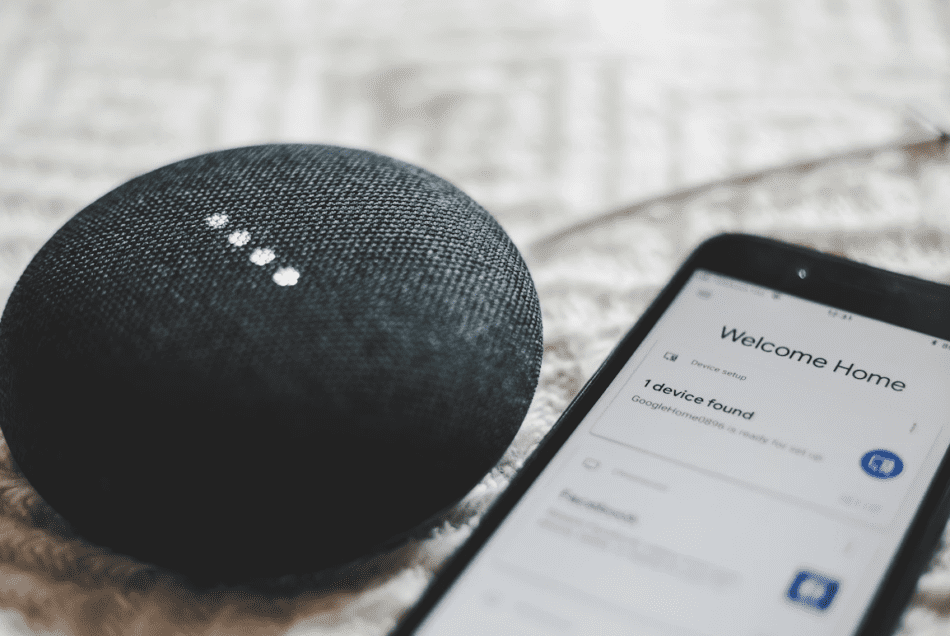
Image: unsplash
Modern homes are becoming smarter every year, with technology helping homeowners manage lighting, climate control, entertainment, and security from a single device. Yet one of the most important benefits of smart home technology is its ability to protect property and the people inside it. Anyone setting up a reliable system should first study a detailed window alarm sensor installation guide to understand how entry sensors protect vulnerable areas like windows and doors. Learning the basic components of a smart home security system makes it easier to build a setup that is both practical and effective.
Understanding Entry Sensors and Perimeter Protection
One of the most fundamental elements of a smart home security system is the entry sensor. These devices are typically installed on doors and windows, where they detect when a frame is opened or disturbed. When the connection between a magnet and sensor breaks, the system immediately sends a signal to the control panel.
This early detection plays an important role in stopping intrusions before they escalate. Instead of waiting for motion sensors to detect activity inside the home, perimeter entry sensors detect problems. That early alert can trigger alarms, send smartphone notifications, or notify a monitoring service.
The Role of Smart Control Panels
The control panel serves as the brain of a home security system. It connects every sensor, camera, and automation device so they can communicate with each other. When a window sensor or door contact detects activity, the control panel processes the signal and determines the appropriate response.
Modern smart panels often include touchscreen interfaces and smartphone integration. This allows homeowners to arm or disarm the system remotely and receive instant alerts when sensors are triggered. With centralized control, managing security devices becomes far simpler and more reliable.
Why Window Security Should Never Be Overlooked
Windows are among the most common entry points targeted during residential break-ins. Many homeowners focus primarily on locking doors, assuming that windows are inherently secure. Unfortunately, an unlocked or poorly protected window can provide easy access.
Window contact sensors help eliminate this vulnerability by alerting homeowners whenever a window is opened. These sensors are small, affordable, and simple to install, yet they significantly strengthen overall home protection. When combined with an alarm system, they ensure that entry points remain constantly monitored.
Smart Cameras and Visual Monitoring
Security cameras have become one of the most recognizable features of modern smart homes. Indoor and outdoor cameras allow homeowners to view live footage, record events, and review activity whenever necessary. Many systems also include motion detection and night vision capabilities.
Visual monitoring adds another layer of reassurance that sensors alone cannot provide. When an alert occurs, cameras allow homeowners to quickly verify whether a genuine threat or an everyday situation triggered it. This ability to visually confirm events makes security systems more responsive and practical.
Mobile Alerts and Remote Monitoring
Smart home security systems are designed to keep homeowners connected no matter where they are. Through mobile apps, users can receive real-time notifications when sensors are triggered or when unusual activity occurs. This connection allows homeowners to respond quickly, even when they are away.
Remote monitoring services can also enhance protection by ensuring that emergency services are contacted when alarms are triggered. These professional monitoring centers operate around the clock, providing additional oversight when homeowners cannot respond immediately. As a result, security systems remain active and reliable at all times.
Building a Layered Home Security Strategy
The most effective security systems use multiple layers of protection rather than relying on a single device. Entry sensors protect doors and windows, motion sensors monitor interior movement, and cameras provide visual awareness. When these technologies work together, they create a comprehensive defense against potential threats.
Layered security also improves reliability by reducing blind spots. If one device fails to detect activity, another component may still trigger an alert. This coordinated system helps ensure that every area of the home is protected and that intrusions are detected as early as possible.
Smart home security has evolved far beyond simple alarms, offering homeowners powerful tools to protect their property and maintain peace of mind. By understanding the essential components such as entry sensors, control panels, cameras, and monitoring services, homeowners can design systems that respond quickly and effectively to potential risks. Even small upgrades like properly installed window sensors can make a significant difference in overall protection. With the right knowledge and technology, building a safer and smarter home becomes an achievable goal for any homeowner.